Offering memorandum
How to write a car wash offering memorandum
How to write an offering memorandum for a car wash: wash type, volume and memberships, equipment, site and stacking, page order and common mistakes.
First, decide what is for sale
Car wash sales come in several shapes, and the memorandum has to say which one it is on the first page. The seller may be selling the land and building with the operating business, the real estate alone with the operator staying as a tenant, or the business alone on a leased site. A sale-leaseback, where an operator sells the property and signs a new lease, is common for this property type and reads much more like a net lease investment than an operating business.
Each shape is underwritten differently. A buyer of a going concern models wash volume, pricing and labour. A buyer of a leased property models the tenant, the rent, the term and the guarantee. Mixing the two in one document confuses both audiences, so pick the lead and build the page order around it.
A page order for an operating car wash
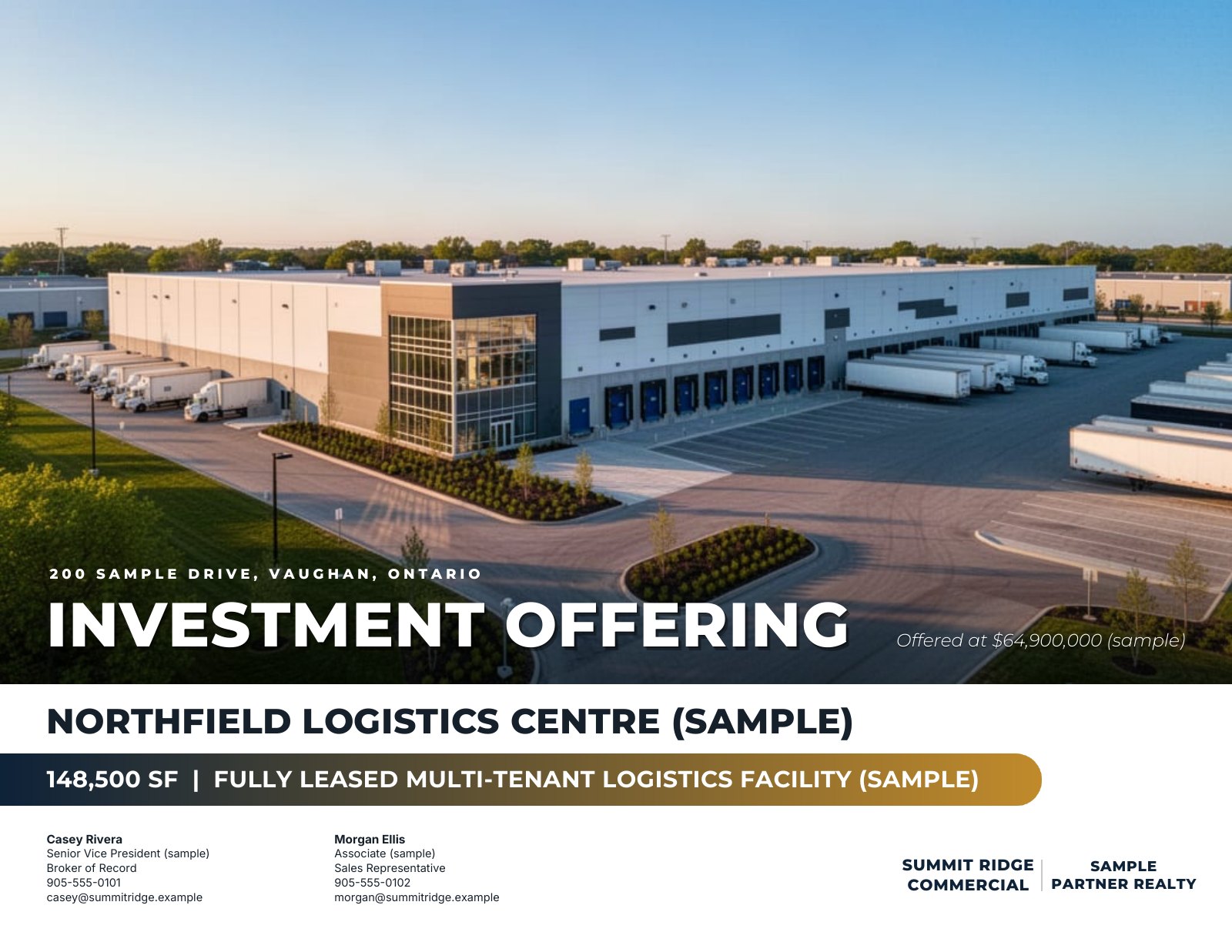
- Cover: name, location, deal type and a photo of the tunnel entrance or the pay lanes.
- Executive summary: wash type, site area, the asking price or pricing guidance and the income basis.
- Investment highlights: a few specific, checkable points tied to figures elsewhere.
- Site and building: land area, frontage, curb cuts, the tunnel or bays, the stacking lane, vacuum area and signage.
- Wash operation: wash type, packages, hours, staffing and the payment system.
- Volume and memberships: cars washed per period and, if there is a membership programme, the member count and how it has changed.
- Equipment: what is installed, its age, ownership and service history.
- Operating statement: revenue by source, expenses and NOI for a stated period.
- Environmental and permits: water, drainage, separators and the permits the operation holds.
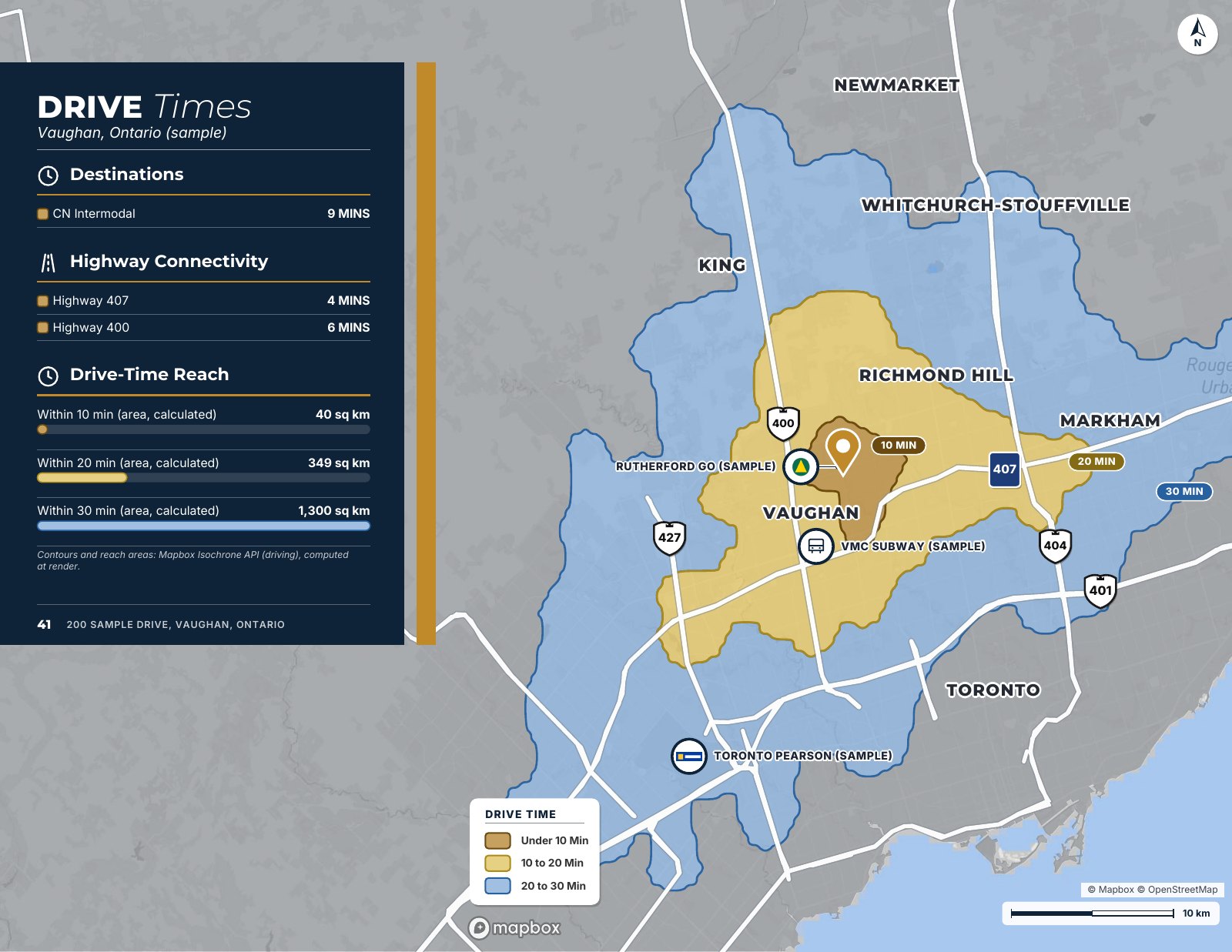
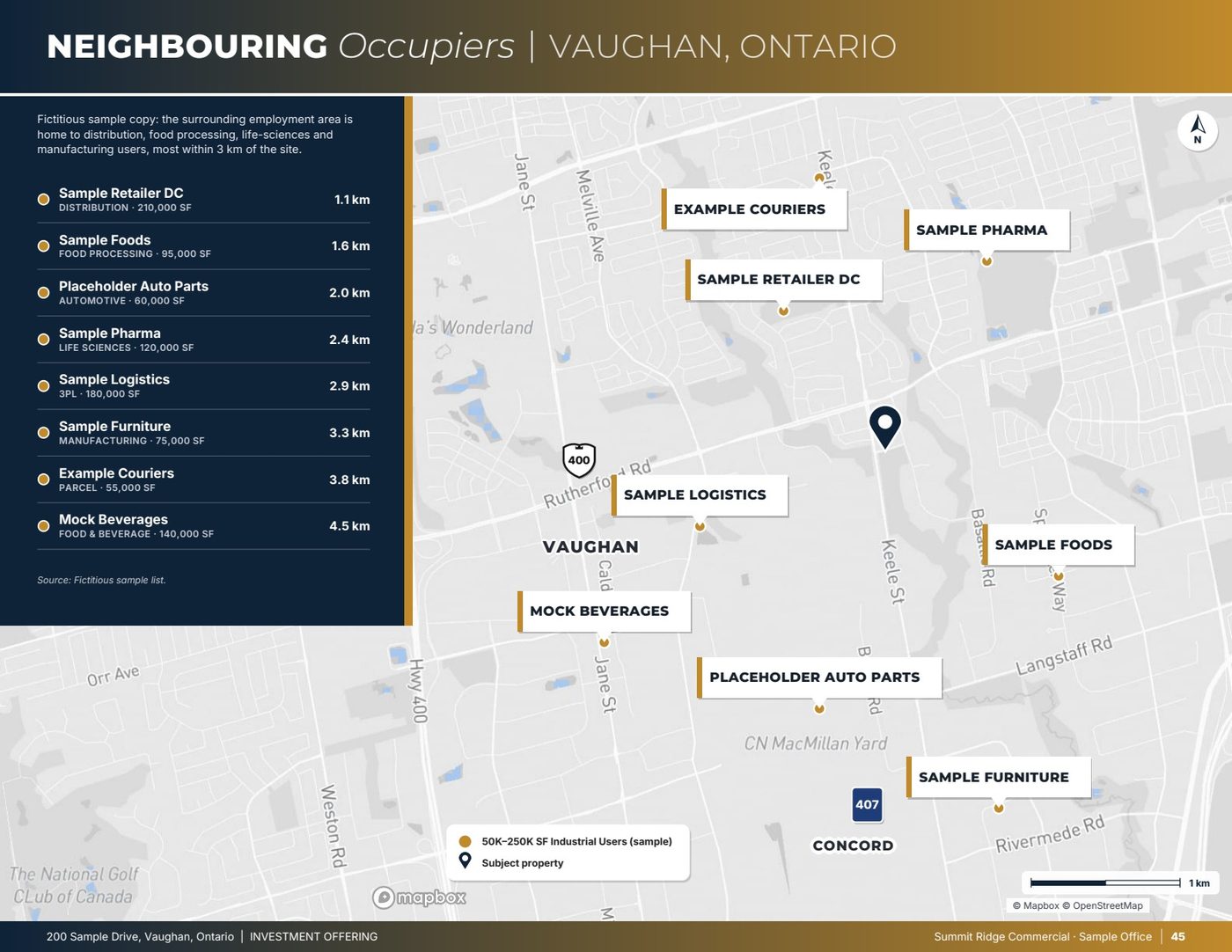
- Location: traffic, neighbouring retail and drive times.
- Offering process and contacts.
For a leased car wash sold as an investment, swap the operation and volume pages for a tenant and lease summary: tenant, guarantor, term remaining, rent and increases, and who pays taxes, insurance and repairs.
Writing the executive summary
Open the summary with one sentence that says what the buyer gets: the wash type, the location, the site area and whether the business, the real estate or both are included. Then give the income basis of the price and the period it covers. If memberships matter to the value, put the member count and its date on this page too.
Leave out phrases that cannot be tested, such as high-traffic corridor or loyal customer base. Replace each with the fact behind it: the road and its traffic count with the source and year, or the member count over time. Buyers who see sourced facts on the first page tend to trust the rest of the document.
Wash type and the site
Name the wash type the way operators do: express exterior tunnel, full-service or flex-service tunnel, in-bay automatic, or self-serve bays, or a combination. Buyers sort listings on this before anything else, because it drives labour, equipment and the size of site needed.
For a tunnel, give the tunnel length and how many cars the stacking lane holds before traffic backs onto the street. Give the number of vacuum stations and whether vacuums are free or paid. Describe access: which road the entrance faces, the curb cuts, any shared driveway and whether turns in and out are restricted. A clear site plan or an annotated aerial is worth more on this page than a paragraph.
Volume, pricing and memberships
Buyers want volume measured the way the controller or point-of-sale system reports it: cars washed per month or per year, split by package if possible. Show at least a full year so seasonality is visible, and say which months are included.
If the wash sells unlimited memberships, give the member count with its date, the price of each plan, and how the count has moved over the period you show. Members are often the core of the value, so state the figures exactly as the system reports them, and do not estimate retention or lifetime value unless the system provides it and you name it.
Keep single-wash revenue, membership revenue and other revenue such as vending or vacuums on separate lines. Buyers rebuild revenue from these parts.
Equipment and capital
List the main equipment with its install year and condition as the seller describes it: the conveyor, the wash and dry equipment, the water reclaim system if there is one, the pay stations and the vacuum system. Say whether any equipment is leased or financed and whether those agreements transfer. Equipment replacement is one of the largest costs a buyer will plan for, so be specific and add any service records to the data room.
If the car wash is leased: what investors check
When the property is sold with an operator in place, the memorandum reads like a net lease offering. Lead with the tenant and the lease: the operating company, any guarantor, the start and end dates, the rent and its increases, renewal options and which costs the tenant pays. Investors will ask how the rent compares with what the site earns, so if the seller shares the operator’s sales or volume reporting, say what is provided and on what terms.
Explain what happens to the equipment at the end of the lease, who must maintain or replace it, and whether the landlord has any obligation to repair the building or the paving. These clauses decide how passive the investment really is, so quote them as the lease states them rather than paraphrasing.
Environment, water and permits
Car washes use water, chemicals and drainage systems that buyers and lenders review carefully. Describe the drainage, any separator or interceptor, how sludge is handled and whether water is reclaimed. List the reports that exist, such as environmental site assessments, with their dates, and offer them in the data room rather than summarising their conclusions yourself. State the zoning with its source, and say whether the car wash use is permitted as of right or under a specific approval.
Common mistakes
- Not saying whether the business, the real estate or both are for sale.
- Volume quoted for a few strong months instead of a full year.
- Membership counts without a date or plan prices.
- Revenue shown as one total with no split by source.
- Equipment described as new or updated without install years.
- Environmental reports summarised in marketing language instead of offered as documents.
- A cap rate quoted without the NOI and period it uses.
How OfferingStack helps
Start a new document, upload the fact sheet or type what you have, pick Other and then Car wash. Car wash prints instead of Other on the cover and summary, and the property details offer fields for wash type, tunnel length, vacuum stations, stacking, water reclaim and equipment. Figures print as you typed them; nothing about volume, memberships or equipment is filled in for you.
Calculated figures are labelled as calculated, pages without data are left out instead of printing empty boxes, and drive-time areas and population figures name their source and year. Every account can make one watermarked preview of its own listing, and you review and edit the wording before anything is shared.
This guide is general information, not legal, environmental or tax advice. Zoning, water and environmental rules differ by province, state and municipality.
What these pages look like
Sample — fictitious property. Pages generated by the product for an invented sample listing with an invented brokerage brand. Figures marked (sample) are not real.
Related
Last updated 2026-11-23. General information for commercial real estate professionals, not legal advice.
Start with the fact sheet you already have.
Upload it, answer only what’s missing for the output you choose, and review a watermarked preview before you buy anything.