Offering memorandum
How to write a self-storage offering memorandum
How to write a self-storage offering memorandum: the page order, the unit mix and income figures buyers test first, and the mistakes that cost offers.
What a storage buyer wants from the memorandum
A self-storage memorandum is read by people who will rebuild your numbers in their own model before they call. Many of them run other facilities. They are not looking for a description of the neighbourhood; they want to know how many units there are, what each kind rents for, how full the facility is, what it costs to run and how much of today’s income a new owner can count on.
Your job is to give them that in an order they can follow and on a basis they can check. Every figure should carry its period and its source: the management report, the owner’s statements, the rent roll export or your own calculation. If a number came from the seller and has not been verified, say so. A memorandum that is honest about its sources is read more generously than one that sounds confident and turns out to be loose.
This guide is about writing the memorandum itself: which pages to include, in what order, what to say on each and the mistakes buyers notice. For a shorter list of the facts to collect before you start, see the self-storage listing checklist.
A page order that works
Most storage memorandums follow the order in which a buyer underwrites. A sequence that works for most single facilities:
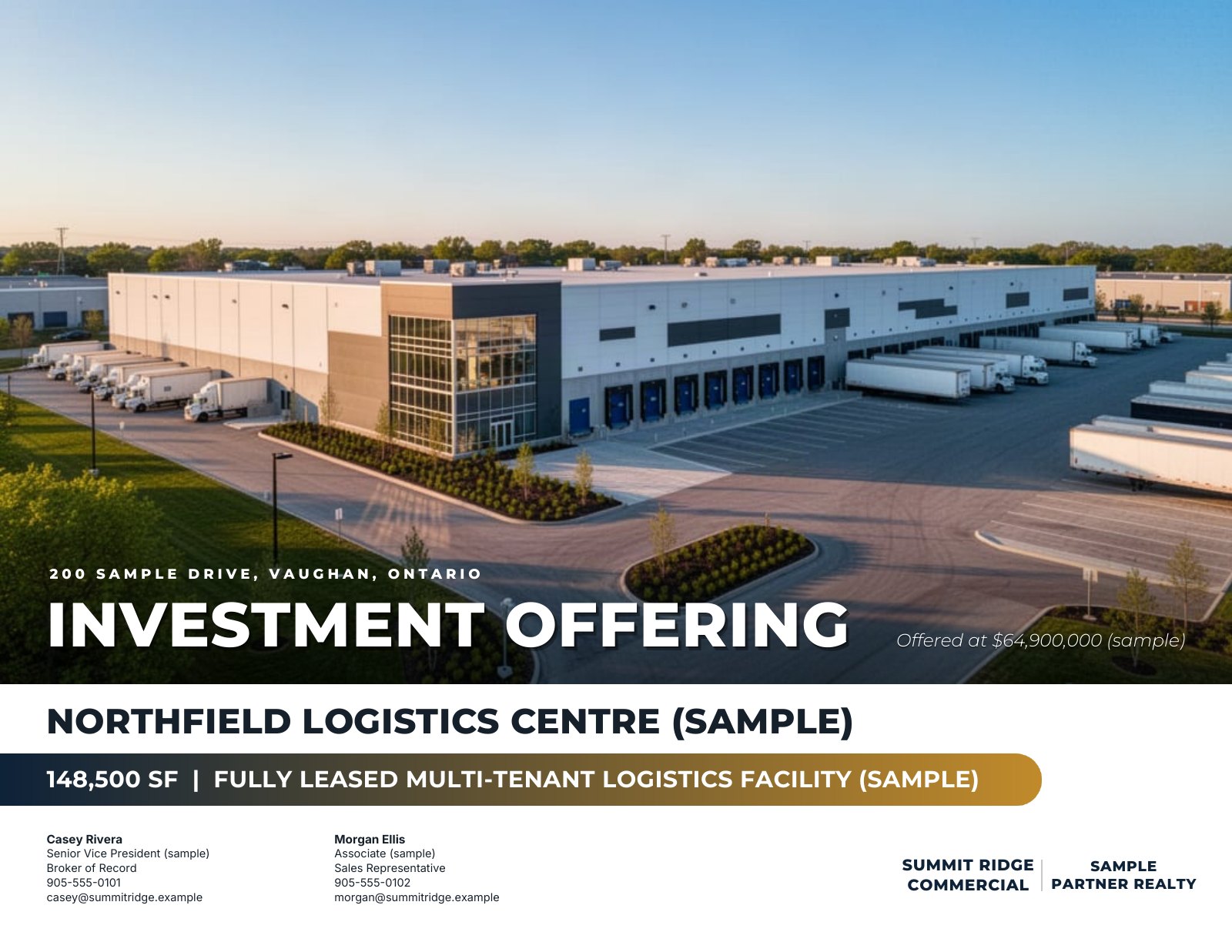
- Cover: facility name, city, the deal type and one clear photo of the entrance or the main building.
- Executive summary: units, net rentable area, occupancy as of a date, the asking price or pricing guidance, and the income figure the price is based on.
- Investment highlights: four to six specific, checkable points, each tied to a figure elsewhere in the document.
- Facility details: land area, buildings, unit styles, the climate-controlled share, access hours, security and the office.
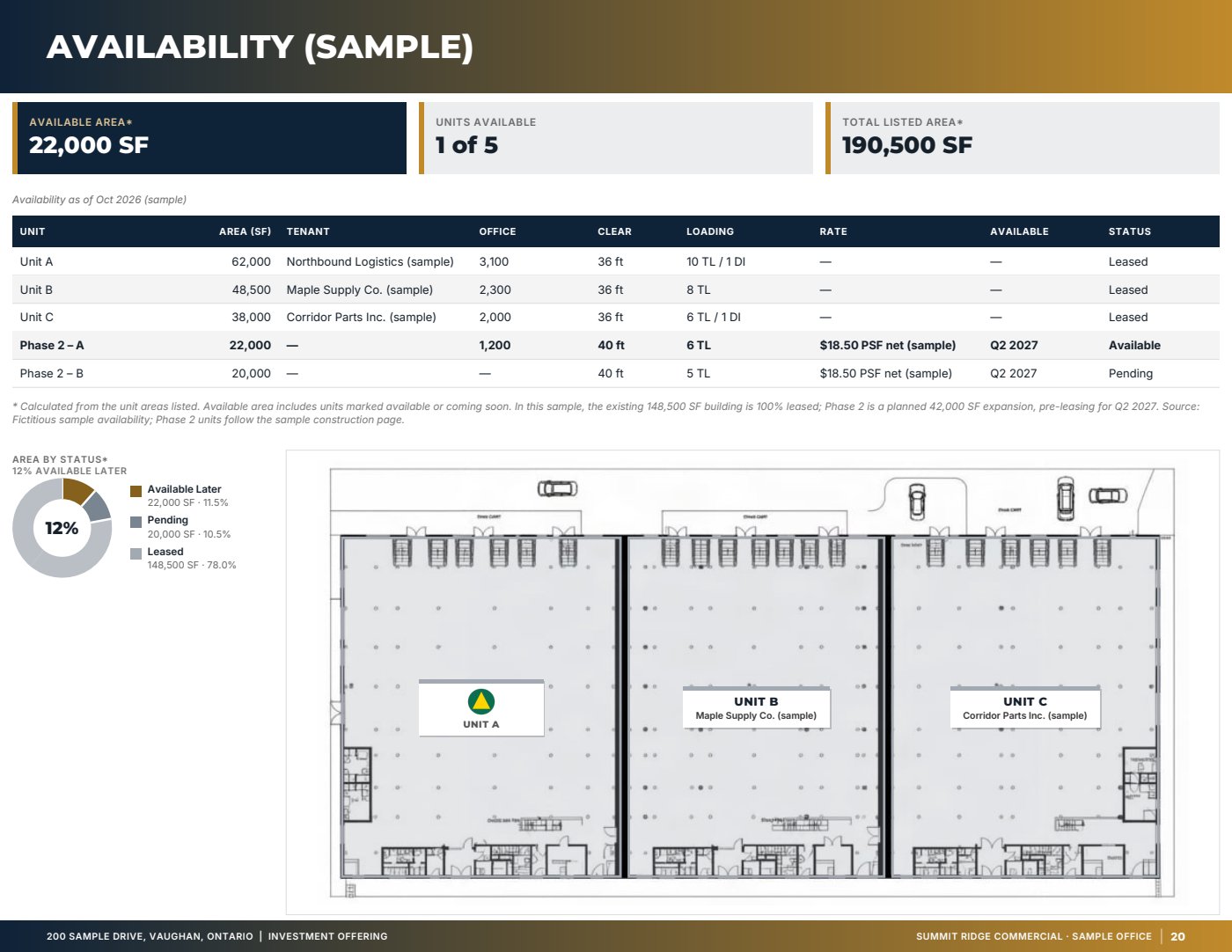
- Unit mix: one row per unit type with count, average size, in-place rent, street rate and occupancy.
- Occupancy and rate history: the trend over at least a full year, with dates.
- Operating statement: rental income, other income and expenses for a stated period, with any adjustments shown.
- Pricing: the asking price, the cap rate and the NOI it is based on, price per unit and per rentable square foot.
- Expansion land, if any: area available, zoning and what has or has not been approved.
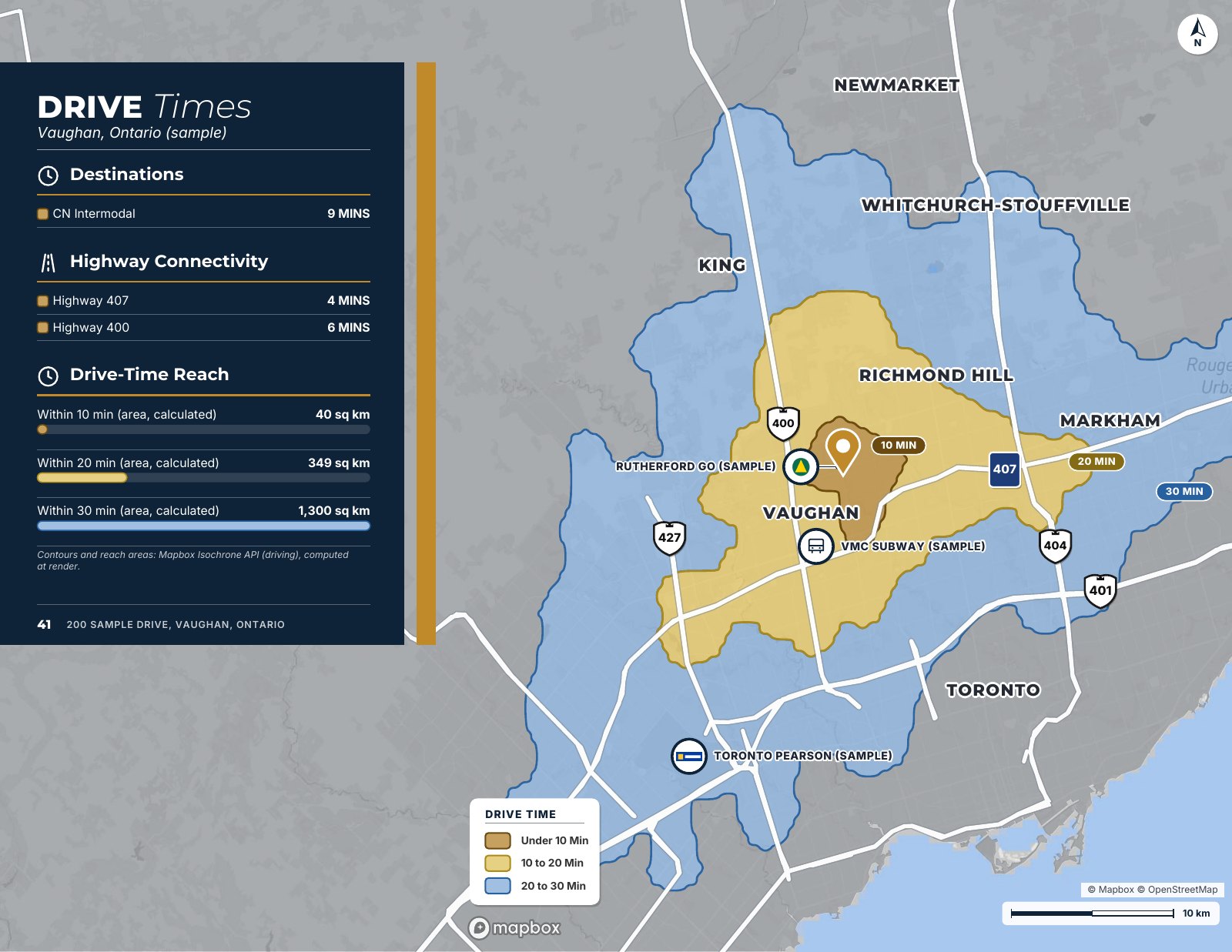
- Competition and trade area: the facilities you consider relevant, on a map, with drive times and population figures.
- Offering process: how to submit, the timetable, the confidentiality terms and the listing team.
Many brokers send a shorter brochure or teaser first, with the cover, the summary, the highlights, a short unit mix and the map, and share the full operating statement once a buyer has signed a confidentiality agreement.
Writing the executive summary
The summary page should let a buyer decide in under a minute whether the facility fits their criteria. Open with one sentence that says what is for sale: the number of units, the net rentable area, the location and whether the land, the business or both are included. Then give the occupancy with its date and the income basis of the price.
Avoid adjectives that cannot be tested. Phrases such as strong demand or excellent visibility tell the buyer nothing. Replace each with the fact behind it, such as the frontage, the road the entrance faces or the share of climate-controlled units, and let the buyer judge.
If the price is presented as a cap rate, state which NOI it uses: trailing twelve months, the latest calendar year or an adjusted figure. Buyers will compare your cap rate with their own, and a mismatch in basis is the quickest way to lose credibility.
The unit mix page carries the most weight
The unit mix is usually the page buyers study most closely. Give each unit type its own row: size, style (interior, drive-up, climate-controlled, vehicle or boat parking), count, average size, occupied units, in-place rent and the current street rate, both per month. Add totals, and state the date the table was produced.
Keep rent per square foot on the basis the operator uses, which is often per month, and do not convert it to a yearly figure unless you label the conversion. A buyer who sees a yearly figure where they expect a monthly one will assume the whole page is wrong.
Where in-place rents sit well below street rates, say what you know about why, for example long-standing customers on older rates or past promotions. That gap is often the first thing a buyer models, so it is better that your explanation is next to it.
Income, expenses and the adjustments buyers expect
Show rental income, other income and each expense line separately for a stated period. Other income includes items such as protection plans or tenant insurance, merchandise, fees and truck rental commissions. Say which of these continue under a new owner and which depend on the seller’s own contracts.
If the owner manages the facility without charging a salary or a management fee, the statement will look better than a buyer’s will. Show the reported figure and then a normalised one with the cost of management added, and label which is which. The same applies to property taxes: if a sale is likely to trigger a reassessment in your jurisdiction, note it rather than leaving the buyer to discover it.
Do not include projected rent increases in the in-place statement. If you want to show upside, put it on its own page, label it as a projection and give its assumptions.
Facility, expansion and competition pages
Describe the buildings the way an operator would inspect them: construction, roofs, doors, paving, the gate and access control, cameras, lighting, the office and any manager’s residence. List recent capital work with the year and what is due in the next few years. Buyers will price deferred items into their offer whether you mention them or not.
For expansion land, give the area, the zoning designation with its source and date, and an honest summary of any discussions with the municipality. Do not call land approved unless you have the approval.
On the competition page, list the facilities you chose and why, show them on a map with drive times from the site, and avoid quoting a competitor’s rates unless you can name the source and the date. Population and household figures for the trade area should name their source and year.
Common mistakes in self-storage memorandums
- A total unit count and total area with no breakdown by unit type.
- Net rentable and gross building area used interchangeably.
- Occupancy, rent roll and income figures from different dates with no dates shown.
- A cap rate without the NOI and period it is based on.
- Owner-managed expenses presented as if they were a market operation.
- Rate upside presented as fact instead of as a labelled projection.
- Generic area photos instead of the facility’s own buildings, doors and office.
How OfferingStack helps
Start a new document, upload the fact sheet or type what you have, pick Other and then Self-storage. The intake asks for storage units, net rentable area, physical occupancy, average in-place rent per square foot per month, the climate-controlled share and gross income. Rent per square foot per month prints as typed and is never converted to a yearly figure; price per storage unit and per rentable square foot are calculated and labelled as calculated.
The memorandum can include a Unit Mix page with the count, average size, and in-place and street rent per month for each unit type, an operating statement with the period of each figure, an asking price and cap rate with a sensitivity table when you enter the NOI, drive-time areas, a map of the competing facilities you add, and population figures with their source and year. Pages without data are left out instead of printing empty boxes. Every account can make one watermarked preview of its own listing, and you review and edit the wording before anything is shared.
Before you send it
- Every figure has a date and a source, and the dates agree across pages.
- The unit mix totals match the summary page.
- The cap rate names its NOI and period.
- Projections, if any, sit on their own labelled page.
- Photos are of this facility and recent.
- The confidentiality terms and the offering process are stated.
This guide is general information, not legal or tax advice. Rules on storage agreements, liens, reassessment and marketing differ by province, state and country.
Start with your fact sheet
We’ll build your teaser, brochure, OM and BOV preview from it. You upload it in the builder; nothing is sent from this page. One listing per free preview.
Upload your fact sheet — free previewWhat these pages look like
Sample — fictitious property. Pages generated by the product for an invented sample listing with an invented brokerage brand. Figures marked (sample) are not real.
Related
Last updated 2026-11-23. General information for commercial real estate professionals, not legal advice.
Start with the fact sheet you already have.
Upload it, answer only what’s missing for the output you choose, and review a watermarked preview before you buy anything.